Understanding AI Image Editing Technology
As technology continues to evolve, the ways in which we manipulate and enhance images have undergone a remarkable transformation. Among the most significant developments is the emergence of the ai image editor, which leverages machine learning algorithms to streamline and improve the editing process. These advanced tools not only simplify complex tasks but also open new creative avenues for professionals and amateurs alike.
What is an ai image editor?
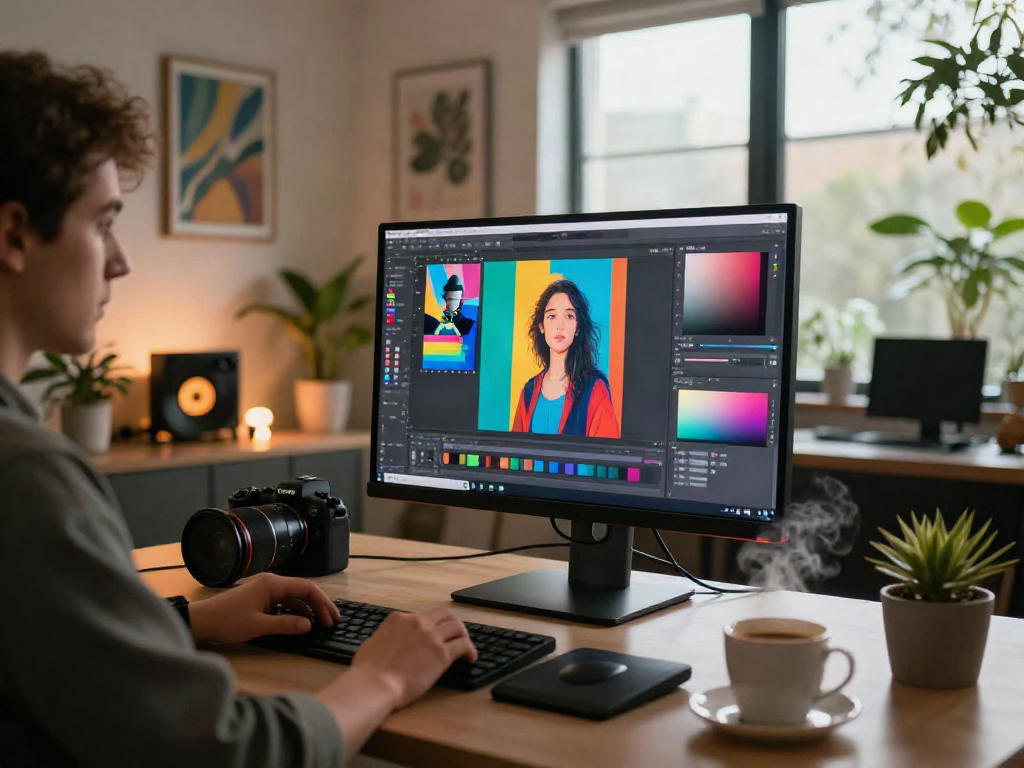
An AI image editor is a software application that utilizes artificial intelligence technology to automate and enhance the process of image editing. Unlike traditional editing tools, which rely heavily on user input and expertise, AI image editors can analyze images, identify elements, and make suggestions or even execute changes with minimal human intervention. This not only democratizes image editing—making it accessible to those without professional skills—but also empowers seasoned editors to achieve results in less time.
How AI transforms image editing workflows?
AI technologies are revolutionizing image editing workflows by introducing functionalities that save time and enhance productivity. For instance, AI can assist with tasks such as:
- Smart cropping: AI algorithms can determine the best framing based on the image's composition, helping editors focus on the most compelling aspects of a photo.
- Content-aware features: These tools enable users to remove unwanted objects from images seamlessly, as the AI fills in gaps by predicting the surrounding context.
- Automatic adjustments: AI can analyze an image’s color, lighting, and sharpness, making automatic enhancements that align with conventional aesthetic principles.
With these capabilities, AI image editors significantly reduce the amount of manual work required, allowing creatives to focus more on the conceptual aspects of their projects.
Key features to look for in an ai image editor
When selecting an AI image editor, look for key features that align with your needs:
- User-friendly interface: A straightforward design can help beginners navigate the software with ease.
- Integration capabilities: Consider tools that seamlessly integrate with other software or platforms you use, such as graphic design or social media applications.
- Advanced editing tools: Features like layer management, filters, and adjustment sliders should be included for in-depth editing when needed.
- Collaboration tools: For teams, features that allow multiple users to work on the same project can improve workflow efficiency.
Benefits of Using AI Image Editors
Enhancing creativity and efficiency with AI tools
The blend of AI technology into image editing not only enhances creative possibilities but also boosts efficiency. Artists and photographers can explore vastly different editing styles without needing expertise in every technique. AI image editors can also propose creative adjustments based on trends and user preferences, allowing creatives to push boundaries and innovate.
Reducing time and improving workflow in image editing
The automation of repetitive tasks allows professionals to reduce time spent on mundane edits. By implementing AI features, users can drastically shorten turnaround times—especially in scenarios with a high volume of images, such as in e-commerce or social media management. For example, an e-commerce platform that relies on consistent image quality can benefit from AI tools that maintain uniformity across multiple products.
Case studies: Success stories with AI image editing
Several brands and individual creators have seen significant improvements due to AI image editing tools. For instance:
- Online Retailers: Many e-commerce retailers report a boost in sales due to enhanced product imagery, facilitated through AI-powered editing that ensures consistent lighting and background.
- Professional Photographers: Freelancers have managed to increase the number of clients they take on by integrating AI tools into their workflows, allowing them to handle projects faster without sacrificing quality.
Choosing the Right AI Image Editor for Your Needs
Comparing popular ai image editors in 2026
As of 2026, numerous AI image editors have emerged, each offering unique features. When comparing these options, consider the following:
- Adobe Photoshop: With its AI-driven features, it remains a top choice for professional photographers.
- Canva: A user-friendly option for marketers and social media managers, offering basic AI editing tools.
- Pixlr: Known for its affordability and ease of use, perfect for beginners and quick edits.
Factors to consider when selecting an editor
Several factors can affect your choice of an AI image editor:
- Budget: Evaluate whether a subscription model or a one-time purchase fits your financial plan better.
- Technical Support: Good customer support can be a lifesaver, especially when navigating new technologies.
- Updates and Community: An active development team and user community often indicate longevity and support for the software.
Free vs paid options: What suits you best?
Choosing between free and paid tools largely depends on your needs. Free options may suffice for casual users or those new to image editing, but offerings may lack advanced features. Paid versions, while potentially more expensive, often come with superior support, more robust tools, and frequent updates ensuring you stay at the forefront of technology.
Best Practices for Effective AI Image Editing
Tips for maximizing AI features in your editing
To make the most of an AI image editor, follow these best practices:
- Experiment: Don’t hesitate to try different features and settings; AI tools often have built-in options to reset or compare edits.
- Utilize presets: Many AI editors offer presets that can speed up the editing process and ensure consistency across multiple images.
Common mistakes to avoid with AI image editors
While AI tools are powerful, mistakes can happen:
- Over-reliance on automation: Remember that AI suggestions should enhance your skills, not completely replace them.
- Ignoring quality control: Always double-check AI edits; they may not always align perfectly with your vision.
Future trends in AI image editing technologies
The landscape of AI image editing is set to evolve rapidly. Anticipated trends include:
- Increased personalization: Future tools may offer more tailored editing options based on user behavior and preferences.
- Real-time collaboration: Expect to see improvements in collaborative features that facilitate teamwork on projects.
Frequently Asked Questions
What are the limitations of an ai image editor?
Despite their advanced capabilities, AI image editors still face limitations. For instance, they might struggle with highly complex edits or specific artistic styles that require nuanced human judgment.
How does AI impact traditional image editing skills?
The rise of AI image editors does not render traditional skills obsolete. Instead, they complement human creativity, allowing editors to focus on conceptual development rather than repetitive tasks.
Can beginners effectively use an ai image editor?
Absolutely! Most AI image editors are designed with user-friendliness in mind, featuring intuitive interfaces and guided workflows that facilitate learning for newcomers.
What are the privacy considerations with AI editing tools?
Privacy is a significant concern with any online tool, including AI image editors. Users should be aware of how their data is used and stored, especially when entrusting images to cloud-based services.
How will AI image editors evolve in the next few years?
As technology advances, we can expect AI image editors to become even more sophisticated, incorporating features such as predictive editing, enhanced style transfers, and more robust integration with other creative tools, thus broadening their utility and appeal.